
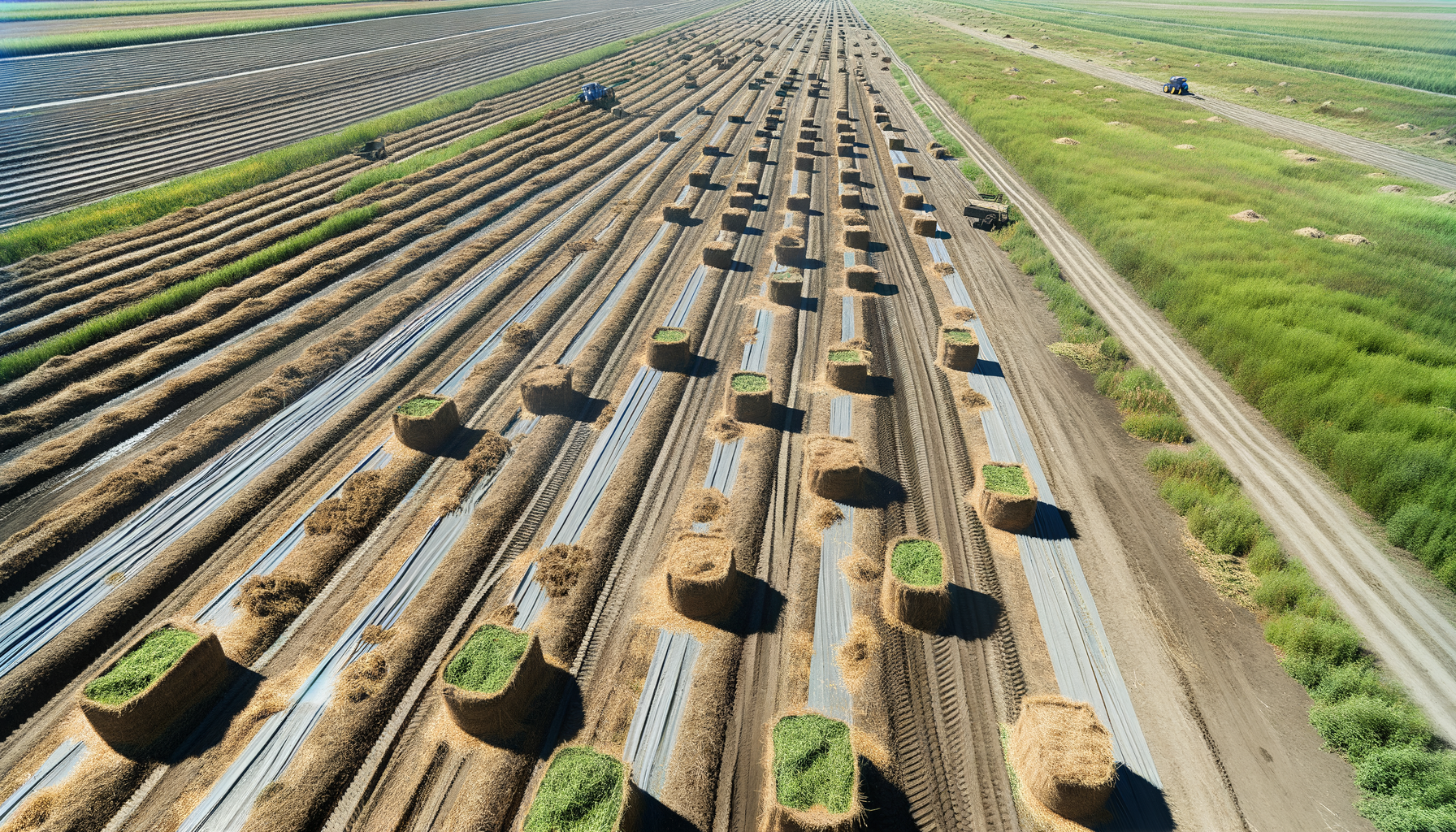
The Rise of Regenerative Agriculture: A Transformative Approach for Sustainable Farming
As the agricultural industry faces the dual challenges of climate change and decreasing natural resources, regenerative agriculture is emerging as a promising solution. This holistic approach not only focuses on producing food sustainably but also improves soil health, increases biodiversity, and sequesters carbon, making it a viable strategy for addressing the pressing environmental concerns of our time.
Recent trends highlight a growing recognition of the significant impact that regenerative practices can have on overall farm productivity and ecological health. According to a report by the Rodale Institute, regenerative agriculture practices can yield benefits such as increased soil organic matter, enhanced water retention, and improved nutrient cycling. These practices include diverse crop rotations, cover cropping, and agroforestry, which are essential for building resilient farming systems capable of thriving in changing climatic conditions.
Moreover, businesses that adopt regenerative agriculture not only contribute to environmental sustainability but also enhance their market positioning. A significant number of consumers, particularly millennials and Gen Z, are increasingly willing to invest in sustainably sourced products. A recent survey by Nielsen revealed that over 66% of global consumers are concerned about sustainability, prompting both large and small agricultural businesses to re-evaluate their methods. By transitioning to regenerative practices, farms can cater to this consumer demand while also fostering long-term economic viability.
Companies in the agriculture sector must also leverage technology to support regenerative practices effectively. Advances in precision agriculture, such as soil health monitoring tools and data analytics, enable farmers to make informed decisions about their practices. By utilizing technologies that assess crop and soil health, farmers can optimize their resources and further enhance the benefits of regenerative methods, paving the way for improved productivity and sustainability.
In conclusion, the shift towards regenerative agriculture represents a significant evolution in farming practices that holds immense potential for environmental restoration and enhanced food security. If your organization is considering the transition to regenerative methods or wants to incorporate sustainable practices into your operations, contact us today. Together, we can pave the way toward a more sustainable and resilient agricultural future.